Delving into the Wonders of Prickly Lettuce – Medicinal Miracles and Culinary Creations
Lactuca serriola, commonly known as prickly lettuce, is a plant that often goes unnoticed, dismissed as a mere weed. However, hidden beneath its spiky exterior lies a rich history of medicinal use and nutritional value. This article aims to shed light on the myriad properties of prickly lettuce, its applications, and even some recipes to help you harness its benefits.




1. Overview of Lactuca Serriola (Prickly Lettuce)
Origins and Identification:
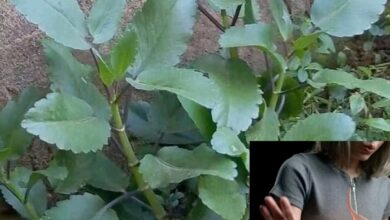
Native to Europe and Asia, prickly lettuce has now spread across many parts of the world. It is easily identified by its tall, slender stature, bluish-green leaves adorned with prickly edges, and small yellow flowers.
Historical Context:
Historically, prickly lettuce was esteemed by the ancient Egyptians and Greeks for its sedative properties and was often used in traditional medicines.
2. Medicinal and Nutritional Properties
Lactucarium:
The milky sap, or lactucarium, found in prickly lettuce has been dubbed “lettuce opium” because of its mild sedative and analgesic properties.
Nutritional Content:
Though not as popular as its cultivated lettuce cousins, prickly lettuce is still a source of vitamins and minerals, including vitamin A, vitamin K, and iron.
Antioxidant Properties:
Some studies suggest that prickly lettuce has antioxidant properties which can combat free radicals in the body, promoting overall health.
3. How to Harvest Wild Lettuce
It’s best to harvest young leaves for culinary uses, as older leaves can be bitter. For medicinal uses, the plant’s sap or lactucarium can be harvested by making a small incision on the stem.
4. How to Use Prickly Lettuce
Medicinal Uses:
The sedative properties of prickly lettuce have been traditionally used to treat insomnia and anxiety. It can be used in tinctures, teas, or poultices.
Culinary Uses:
Young leaves can be added to salads or cooked similarly to greens. The stems can be boiled or stir-fried.
Precautions:
As with any wild plant, it’s essential to be confident in your identification skills to avoid consuming potentially harmful lookalikes. Furthermore, always consult with a healthcare professional before using prickly lettuce or any other plant for medicinal purposes.
5. Initial Plant Preparation
After collecting your plants, they can either be dried for extended storage or utilized immediately in their fresh state. Both approaches have their merits, although I do lean towards one over the other.
Before proceeding with either method, I always remove the leaves. I’ve experimented with incorporating the stems into my extract, but found them to be more hassle than they’re worth for drying and breaking down. That said, if you own an exceptionally powerful blender, you might find the process more manageable.
Removing the leaves is a breeze. I grasp the plant and glide my hand against the direction of its growth, and the leaves detach seamlessly. However, mature plants sometimes grow secondary stems, making this process slightly more time-consuming. This is one reason why I opt for younger plants.
Diving Right in with Fresh Plants
If you’re keen to begin with fresh plants, blend the leaves with a sufficient amount of potent alcohol (I use 190 proof) to achieve a smooth consistency. Minimizing the leaf size maximizes the surface for quicker extraction.
At this point, you’ve essentially crafted a wild lettuce tincture. I let it steep, ranging from a few hours to a couple of weeks, stored in a room-temperature jar. Yet, I often favor starting with dried leaves for reasons I’ll outline below.
The Role of Alcohol in Potent Wild Lettuce Extracts