Humidity at home? Clever grannies’ trick to solve this problem for good
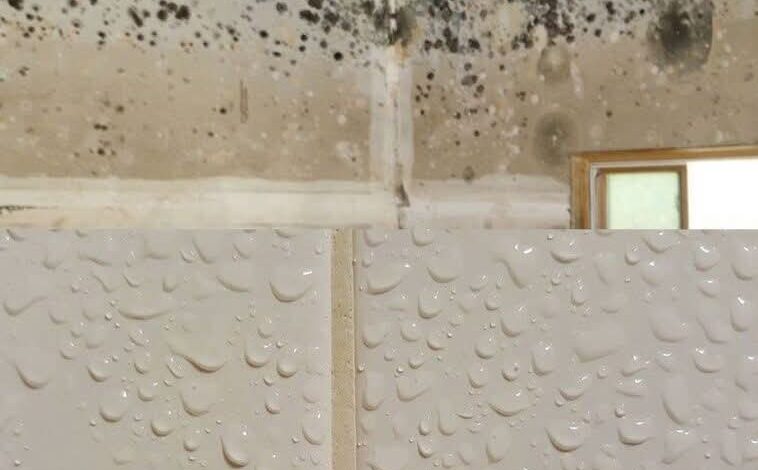
During the winter season, frequent rain showers tend to increase the humidity in walls and exterior surfaces. Inside the home, the air is filled with moisture that has nowhere to go, leading to condensation, mold, and mildew. Fortunately, there are steps you can take to protect your home from high humidity levels. Here, we explain how.
Humidity damages your home.
In addition to reducing its visual appeal, increased humidity allows mold spores to spread. It can cause significant damage to the building’s structure, including the possibility of water leaks and saltpeter buildup. This mineral salt deposit can cause additional damage over time and is a direct result of high humidity.




Just as your home is affected by moisture, so is your body. Medical professionals at the Mayo Clinic stated that when tiny mold spores are inhaled, your body recognizes them as a foreign substance and produces antibodies to fight the invasion. This can lead to symptoms such as nasal congestion, irritation, and itching of the eyes, nose, or throat.
How to prevent dampness?
It’s better to take precautions than to have to deal with the effects later! To avoid the dangerous effects of dampness, you should consider the suggestions given to solve the problem.1- Waterproof your home to combat moisture
Moisture can have an impact on your home. Problems like leaks, waterproofing issues, or breaks in the roof or walls can cause water to seep into your home. Fortunately, these nuisances aren’t unbeatable. Waterproofing your home is a great way to protect against moisture. You can do it yourself or hire a professional to apply a water-resistant compound to the walls and roof of your home.
2- Repair cracked walls to prevent moisture
Over time, rain and regular use can cause cracks to form on the exterior of your walls. It’s very important to repair them to prevent moisture from building up inside your home. To solve the problem, it’s essential to recognize the type of cracks and treat them quickly.
3- Heat to prevent humidity
The temperature setting in your home has a significant impact on the humidity level in the air. A sharp drop in temperature can lead to increased humidity and the appearance of condensation. It is therefore essential to maintain the indoor temperature at a minimum of 18°C. In addition, it is important to facilitate the circulation of heat between rooms by leaving the doors of divided rooms open.